Innovations in Membrane Bioreactor Technology for Enhanced Environmental Sustainability
Understanding Membrane Layer Bioreactors: The Future of Wastewater Treatment
Membrane bioreactors (MBRs) stand for a noteworthy advancement in the field of wastewater treatment, integrating organic processes with sophisticated membrane layer purification to enhance effluent high quality. As international water scarcity and rigid regulatory structures become progressively pressing problems, MBR innovation supplies a reliable response with its ability to lessen impact and optimize resource recovery.
What Are Membrane Bioreactors?
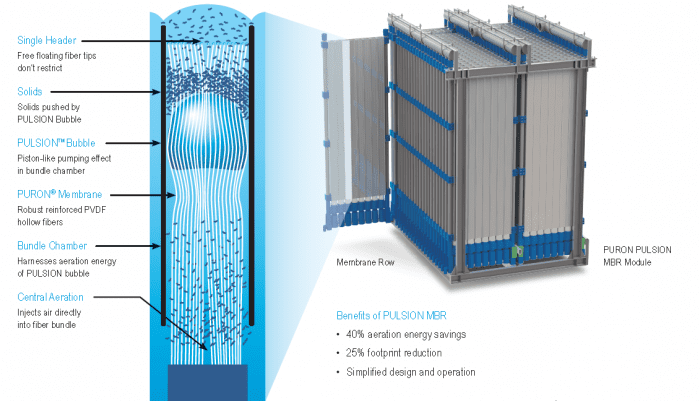
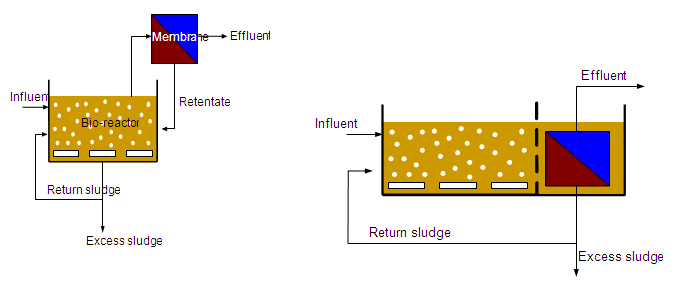
The core components of MBR systems include a bioreactor where microbial activity happens and a membrane system that filters the blended liquor. This dual functionality allows the simultaneous degradation of raw material and solid-liquid separation in a single action. MBRs can run in both immersed and exterior arrangements, with immersed systems being much more typical due to their small layout and functional effectiveness.
The adoption of MBR innovation has gained grip in numerous applications, varying from community wastewater treatment to industrial effluent management. MBRs are especially helpful in situations where area is rigorous or minimal effluent high quality standards must be fulfilled. By maintaining a high focus of bacteria within the bioreactor, MBRs enhance the degradation of natural contaminants, thereby generating higher treatment performances compared to traditional approaches.
Secret Advantages of MBR Technology
The assimilation of biological therapy with membrane filtering in MBR systems offers many advantages that set it apart from standard wastewater therapy techniques. Among the primary benefits is the boosted effluent quality. MBRs successfully remove suspended pathogens and solids, attaining greater levels of purification that fulfill stringent discharge requirements and promote water reuse applications.
One more substantial benefit is the reduced sludge production. MBR systems produce less excess sludge, bring about reduced disposal prices and a decrease in environmental impact. The shut nature of the membrane system minimizes the danger of smell exhausts and boosts total procedure control.
Last But Not Least, MBRs are adaptable and versatile, making them suitable for various wastewater types, consisting of commercial and municipal sources. The ability to integrate with advanced treatment technologies further enhances their performance, making MBRs an encouraging remedy for the future of wastewater monitoring.
Obstacles and Limitations of MBRs
While MBR modern technology uses many advantages, it also encounters numerous challenges and restrictions that can affect its widespread fostering. One substantial obstacle is the high funding and operational costs linked with MBR systems. The preliminary investment for membrane products and the needed facilities can be substantial, making it much less easily accessible for smaller towns or industries.
Additionally, membrane layer fouling stays a vital issue that can lessen system efficiency and increase upkeep demands. Fouling takes place when solids, natural matter, or bacteria build up on the membrane layer surface, causing decreased leaks in the structure and needing constant cleansing or substitute.
One more limitation includes the intricacy of the innovation. MBR systems call for proficient personnel for procedure and upkeep, which can be a barrier in areas with limited technological knowledge. The disposal of spent membrane layers offers environmental worries, as the products are frequently not eco-friendly and can contribute to squander monitoring challenges.
Lastly, while MBRs can successfully deal with a wide variety of wastewater, they might not appropriate for all applications, particularly those with high concentrations of fats, oils, and oils, demanding more research and development to attend to these constraints.
Applications of Membrane Bioreactors
In various markets, membrane layer bioreactors (MBRs) have actually become a versatile solution for wastewater treatment (Membrane Bioreactor). Their applications cover local, commercial, and farming setups, showcasing their flexibility and performance in varied environments. In municipal wastewater treatment plants, MBRs substantially improve effluent high quality, enabling water reuse and lowering the ecological influence of released wastewater
Industrially, MBRs are used in food and drink handling, textile manufacturing, and pharmaceutical production, where they efficiently treat high-strength waste streams. Their capability to handle fluctuating loads and differing impurity focus makes them especially important in these sectors. Additionally, MBRs facilitate the elimination of virus, suspended solids, and organic matter, adding to conformity with rigid discharge policies.
In agriculture, MBRs are increasingly made use of for dealing with agricultural runoff and animals wastewater, allowing the recovery of nutrients for additional info fertilizer manufacturing. They also help in the treatment of greywater for watering, advertising lasting water administration methods.
The versatility of MBRs is more evidenced by their integration with various other innovations, such as anaerobic digestion and progressed oxidation procedures, boosting general performance and source healing in wastewater treatment systems.
The Future of Wastewater Therapy
Improvements in technology and a growing focus on sustainability are forming the future of wastewater treatment. Membrane bioreactors (MBRs) exhibit this shift by incorporating biological treatment procedures with membrane purification, causing top notch effluent suitable for reuse. The trend towards circular economies is prompting centers to take on MBRs for their capability to recover sources, such as water and nutrients, from wastewater.
Advancements in membrane materials and configuration are enhancing the efficiency and long life of MBR systems, decreasing functional expenses and energy consumption. Smart technology integration, consisting of real-time tracking and automated control systems, is further enhancing performance and allowing predictive upkeep, therefore lessening downtime.
Moreover, social expectations and regulative stress are pushing municipalities and sectors to take on more sustainable methods. Membrane Bioreactor. The shift towards decentralized wastewater treatment solutions is getting traction, permitting localized treatment that minimizes transportation prices and power use
Verdict
Membrane layer bioreactors (MBRs) represent a transformative method to wastewater treatment, incorporating organic processes with advanced membrane technology. The benefits of MBRs, consisting of enhanced effluent quality, minimized spatial needs, and lower sludge manufacturing, place them as a practical their website remedy amidst growing urbanization and stricter ecological guidelines. Regardless of existing difficulties, the ongoing technology in membrane materials and functional techniques guarantees to strengthen the efficiency and fostering of MBRs, guaranteeing their critical function in the future of sustainable wastewater administration.
Membrane layer bioreactors (MBRs) stand for her explanation a noteworthy development in the area of wastewater treatment, integrating organic procedures with sophisticated membrane filtration to enhance effluent high quality.Membrane layer bioreactors (MBRs) integrate biological treatment procedures with membrane layer purification to properly treat wastewater.The integration of organic therapy with membrane filtering in MBR systems provides many advantages that set it apart from conventional wastewater treatment techniques. Membrane bioreactors (MBRs) exhibit this change by integrating biological treatment procedures with membrane layer filtration, resulting in top quality effluent ideal for reuse.Membrane bioreactors (MBRs) stand for a transformative strategy to wastewater therapy, integrating biological procedures with innovative membrane layer innovation.